62345f7b31a9b.png)
6234606f98fc0.png)

 العربية
Top Strategies to Overcome the Logistic Labour Shortage in UAE & Boost Your Business
By Shajahan Ibrahim
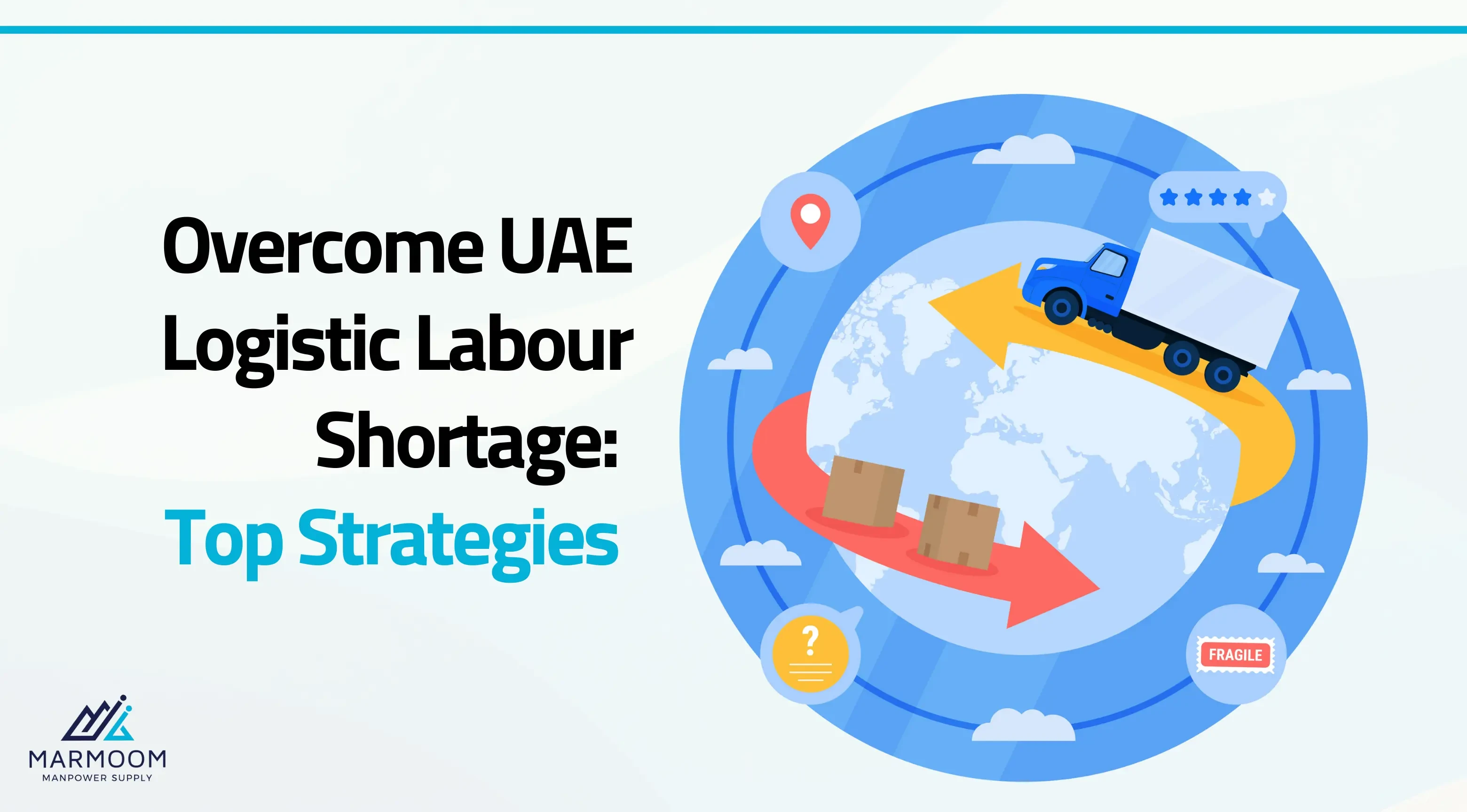
The UAE's logistics sector is an essential part of the national economy, serving as a worldwide hub for trade and transportation. Many businesses in the logistics industry find it difficult to locate and keep a competent UAE workforce. Global supply chain interruptions, rising demand for services, and fast industry development have all helped to aggravate this labor crisis. Maintaining UAE's competitive edge in the logistics industry depends on addressing this problem. This article will review various practical remedies for the UAE's shortage of competent logistics personnel supply issues.
Understanding Logistic Labour Shortage
The UAE's available labour supply has not matched the growing demand for services in the sector. The complexity and training needs of the logistics sector have changed remarkably in recent years. The current economic environment is making many people locate permanent Manpower supply, which has resulted in a pool of possible workers either unprepared or unwilling to accept temporary or contract responsibilities.This means that many people who were once competent for logistics roles are either under qualified or unqualified today. Despite record-low unemployment, there aren't enough people actively looking for a job at this point to cover all the open positions.
Small firms and startups trying to compete with bigger enterprises on worker attraction and retention are especially feeling the effects of the labor shortage. It is erasing the industry's whole brand and complicating companies' ability to attract fresh clients. Many logistics companies in the UAE are investing in automated systems and other forms of technology to increase output and lower their dependency on human labor due to the extreme shortage of logistics labor supply there. This is merely a band-aid solution since robots will never be able to completely replace people in roles like customer service or handling unanticipated problems. Providing competitive pay, flexible scheduling, and strong benefits will enable businesses to attract and retain intelligent individuals.
Strategies to Overcome the Logistic Labour Shortage
Dealing with manpower shortages in the logistics sector calls for a diverse strategy for both short-term and long-term plans. These are a few possible fixes:
1 - Reviewing Current Practises and Procedures
Current approaches and methods could be evaluated in line with simplicity and uniformity. One should examine closely things like staffing, resource allocation, and process. Finding and recruiting the necessary personnel will be simpler if areas for development are identified, therefore lowering the required workload.
2 - Investing in Technology and Automation
Use automation and technology to assist in staffing shortage solutions. Order processing software, warehouse automation systems, and autonomous cars will help to reduce reliance on human effort and streamline procedures. Employing qualified applicants should be simpler since less physical work is involved. Higher accuracy and productivity mean that the need for more people might fade even further. This increases effectiveness and reduces staff error risk at the same time.
3 - Workforce Development and Training
Investing in the present workforce using opportunities for development and training is vital. This helps employees to take greater responsibility and grow more efficiently. Through up-training, companies can close the talent gap and let employees tackle increasingly challenging assignments. Offering staff members from other sectors reskilling programs could help bring fresh talents into the logistics sector. Cross-training staff members in different roles also allows flexibility in managing labor shortages.
4 - Strategic Workforce Planning
Create a strategic workforce plan with labor demand projections and any gaps identified. This can entail building a flexible labor model that can fit evolving needs and hiring seasonal or temporary staff during busy times.
5 - Evaluating Wages and Benefits
A different approach to draw in and keep staff members is with competitive salaries and perks. Among these are bonuses, consistent compensation, and health care. If perks a company supplies meet their personal needs, employees are more inclined to stick to their company over time.
6 - Collaborate and Optimize the Supply Chain
Work closely with logistics partners, distributors, and suppliers to maximize the supply chain. Sharing forecasts and demand data can help to lower lead times and inventory levels. By reducing the requirement for surplus labor, a more effective supply chain can help to offset labor shortages.
Conclusion
Rising consumer demand is driving a serious workforce shortage in the logistics sector, highlighting the need for effective manpower supply solutions. Businesses that want to stay ahead of the competition must be willing to invest in staff development initiatives and offer a desirable workplace to attract and retain top talent. By prioritizing manpower supply strategies, the UAE logistics sector can maintain its position as a global leader by investing in technology, upskilling the workforce, strengthening recruitment campaigns, and improving work conditions. These steps will help businesses effectively address the labor shortfall in the logistics industry and ensure a steady manpower supply to meet growing demands.